Agent Causing Illness On Cruise Ship

Cruise Ship Illness Why Are Ships So Prone To Norovirus Outbreaks
Norovirus On Cruise Ships Clia Uk
Cruise Lines Passengers Scramble To Respond To Coronavirus Abc News

Troubled Cruise Ship With 2 000 Passengers Docks In Honolulu Abc News

Cdc Says Older People High Risk Travelers Should Avoid Cruises Whether They Re Vaccinated Or Not Wkrn News 2

Coral Princess Another Cruise Ship With Sick Dead Coronavirus Victims Docking In Florida Abc11 Raleigh Durham
By determining the cause of an outbreak VSP can help the cruise line develop effective intervention strategies to prevent a recurrence of the outbreak.
Agent causing illness on cruise ship. Cruise Line Cruise Ship Sailing Dates Causative Agent Case Counts Passengers Case Counts Crew Holland America Line. GI outbreaks on cruise ships from food and water sources have also been associated with Salmonella spp enterotoxigenic Escherichia coli Shigella spp Clostridium perfringens and Cyclospora cayetanensis. Two week ago in articles titled COVID-19 Aboard MSC Virtuosa and Passenger Dies After Super-Spreader COVID-19 Cruise on MSC Virtuosa we reported that there were arround 75 to 100 guests on the MSC cruise ship who contracted COVID-19 during a series of cruises from the UK.
Identify risk factors associated with the illness. One-third of passengers reported receipt of influenza vaccination in 2000. Formulate control measures to prevent or stop the spread of illness.
For example the bacterium might be in water vapor emitted by an air conditioning system meaning that everyone on the cruise ship is potentially exposed. Identify the pathogen causing the illness. For international cruise ships porting in the United States from 2010 through 2015 816 outbreaks of norovirus infections occurred each year.
This initial report is required even when there are no cases of illness. 56 of 1317 425 8 of 610 131 Regent Seven Seas Cruises. 73 of 1991 366.
Twenty-four to thirty-six hours before arriving to a US. During January 1--December 2 2002 CDCs Vessel Sanitation Program VSP which conducts surveillance for acute gastroenteritis AGE on cruise ships with foreign itineraries sailing into US. It is caused by a bacterium that thrives in water and the disease is likely environmentally related.
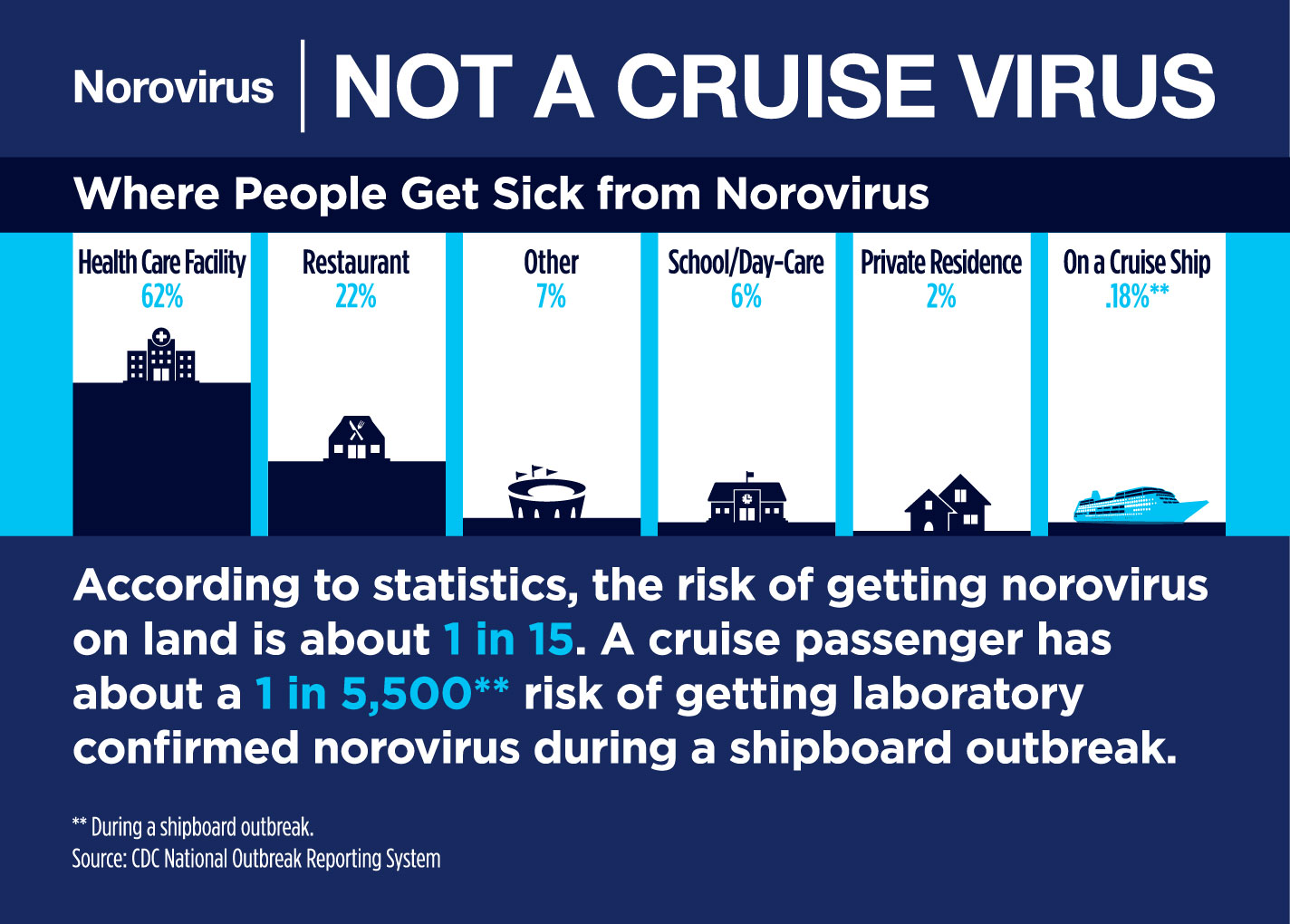
Come down with norovirus every year. The number of passengers who reported being ill during this voyage was 561 out of 6285 which is 891 percent. About 20 million Americans contract this virus each year or roughly one person in 15.

Celebrity Millennium Becomes 1st Cruise Ship To Sail From North America Since 2020 With More Than 95 Vaccinated Abc11 Raleigh Durham

Alaska Officials And Cruise Industry Leaders Mark Return Of First Cruise To Ketchikan Alaska Clia

Cruise Giant Norwegian Threatens To Skip Florida S Ports Abc News
:no_upscale()/cdn.vox-cdn.com/uploads/chorus_image/image/66305930/AP20044288806172.14.jpg)
Coronavirus Utah Man Moved From Cruise Ship To Hospital Amid Quarantine Deseret News
Cdc Not Allowed To Enforce Cruise Rules In Florida Miami Herald
Significant Number Of Us Crew Still Stuck On Cruise Ships State Dept Says Abc News

Cruise Ships Wikitravel

Us Cruises Vow 100 Testing In Plan For Resuming Sailing Abc News
Disney Cruise Line Announces August 9 2021 U S Restart And Publishes Safety Protocols The Disney Cruise Line Blog
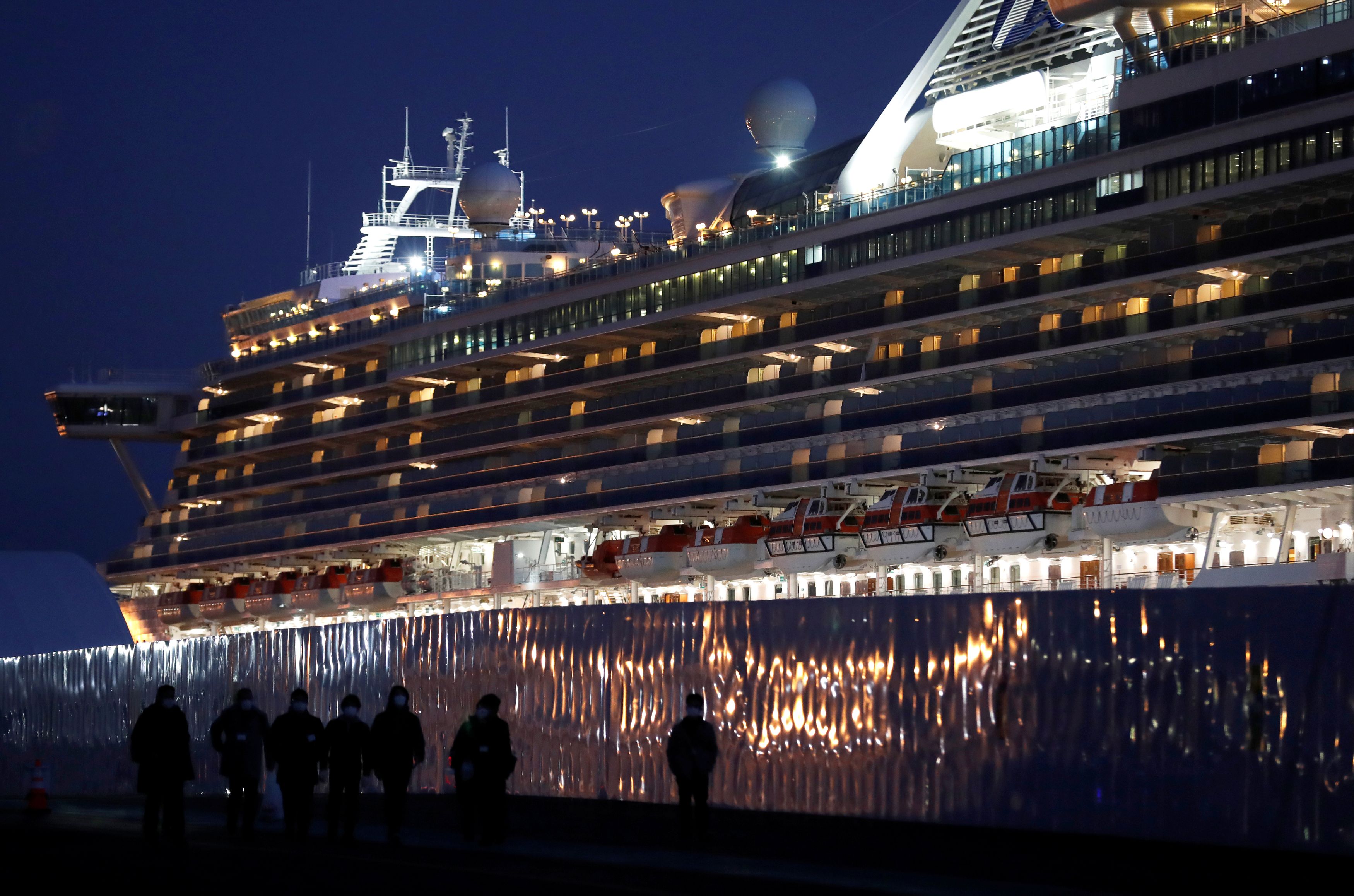
South Korea Coronavirus Cases Surge As Italy Confirms First Death From The Virus The Washington Post

Royal Caribbean Announces Bahamas Cruises In June Requires Vaccine For All
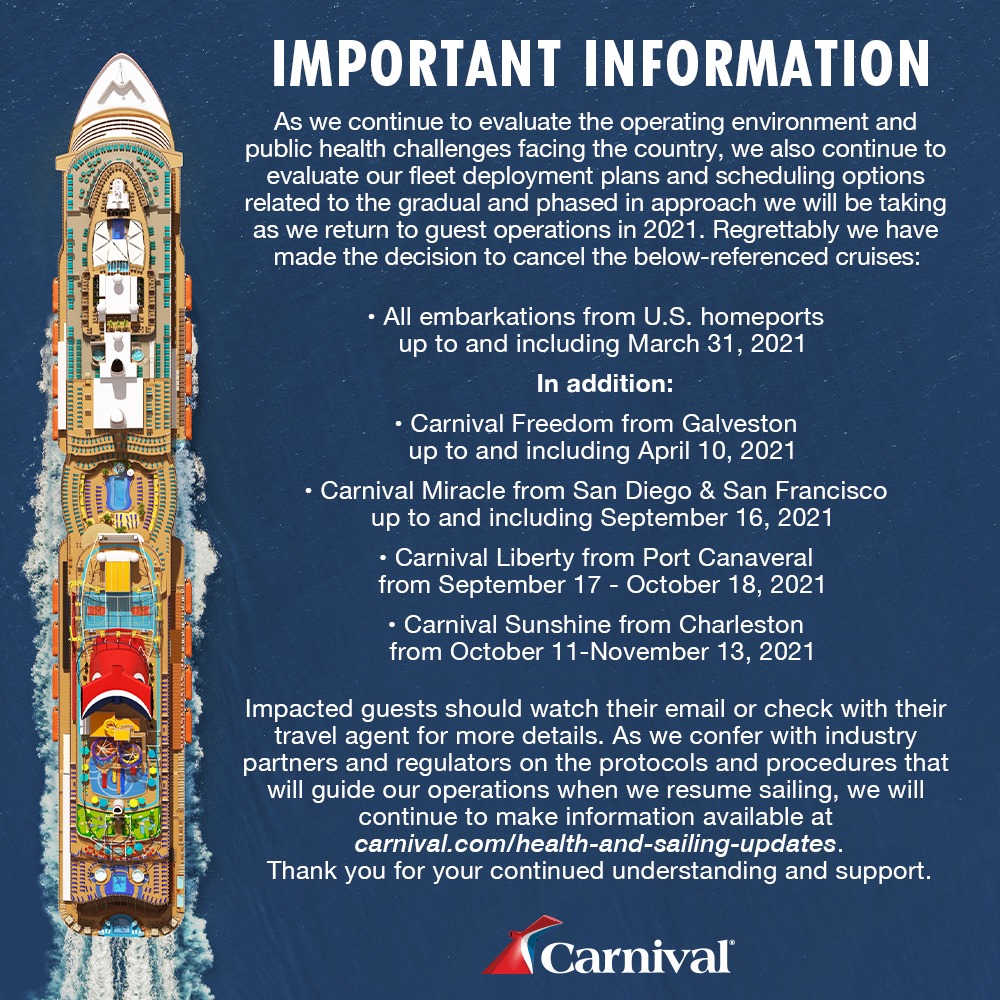
Carnival Cruise Line Important Update Regarding Our Operations In The U S Through March 31 2021 As Well As Select Ships And Homeports Later In The Year Facebook

Protection And Indemnity Insurance Coverage Quotes Advisorsmith

December 2020 Longshore Maritime Update Brown Sims

